Your roof is one of the most important components of your home's energy efficiency. In fact, a poorly insulated or inefficient roof can account for up to 40% of your home's heat loss in winter and allow excessive heat gain in summer. This directly translates to higher energy bills month after month. The good news? Modern energy-efficient roofing options can significantly reduce your electricity costs while improving your home's comfort and environmental footprint. In this comprehensive guide, we'll explore the best energy-efficient roofing materials and technologies available today, how they work, and how much you can save.
During summer, dark roofs absorb up to 90% of the sun's heat, transferring it into your attic and living spaces. This forces your air conditioning system to work harder and longer, consuming more electricity. During winter, heat escapes through poorly insulated roofs, causing your heating system to compensate by running continuously. The impact on your electric bills is substantial. The average homeowner can save 10 to 15 dollars per month with efficient roofing, translating to 120 to 180 dollars annually. Over a 20-year period, this adds up to 2,400 to 3,600 dollars in savings. When you factor in rebates and tax credits, savings can increase by 30 to 50 percent or more.
Cool roofs are light-colored or specially treated roofs designed to reflect sunlight and heat away from your home instead of absorbing it. They have a high solar reflectance, which measures how much sunlight they bounce back, and high thermal emittance, which measures how efficiently they release absorbed heat. Several materials are available for cool roofing solutions.
It naturally reflects solar radiation and allows air circulation underneath, reducing heat transfer into your home. Several types of metal roofing are available for homeowners.
Energy-efficient roofing has substantial environmental benefits. Cool roofs reduce air conditioning usage, which means less electricity generation is needed and helps prevent 1 to 3 tons of carbon dioxide annually. Metal roofing is 95 percent recyclable at the end of its life, reducing roof waste in landfills, and is often made from recycled content. Green roofs absorb carbon dioxide from the atmosphere, prevent 50 or more gallons of stormwater runoff per year, support urban biodiversity, and help combat the urban heat island effect. Solar roofs generate zero emissions electricity, offset 50 to 100 or more tons of carbon dioxide over 25 years, and provide benefits equivalent to planting 800 to 1,600 trees.
Some people worry about noise from metal roofs. Insulation prevents most rain noise, some people find the light patter of rain relaxing, contractors can add soundproofing if desired, and they are not louder than traditional shingles in most cases.
Finally, people ask how they know if their roof is suitable for energy-efficient materials. Consider your roof's current age and condition, roof pitch and structure, sun exposure and orientation, local climate and weather, budget and long-term plans, and get a professional inspection to assess suitability.
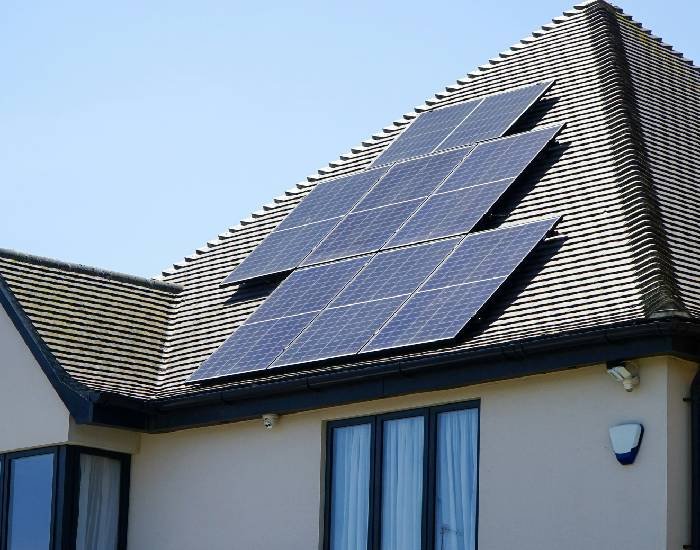
Energy-efficient roofing is one of the smartest investments you can make for your home. Whether you choose cool coatings, metal roofing, green roofs, or solar tiles, the combination of energy savings, increased home value, and environmental benefits makes it a worthwhile upgrade. The key takeaways are that energy-efficient roofs can save 100 to 3,600 dollars or more annually, payback periods range from 3 to 15 years, modern roofs last 20 to 70 or more years, government incentives can cover 25 to 50 percent of costs, added home value often exceeds installation costs, and the environmental impact is substantial.